
Loading...
Serving Glendale, CA and surrounding areas. (747) 609-3881
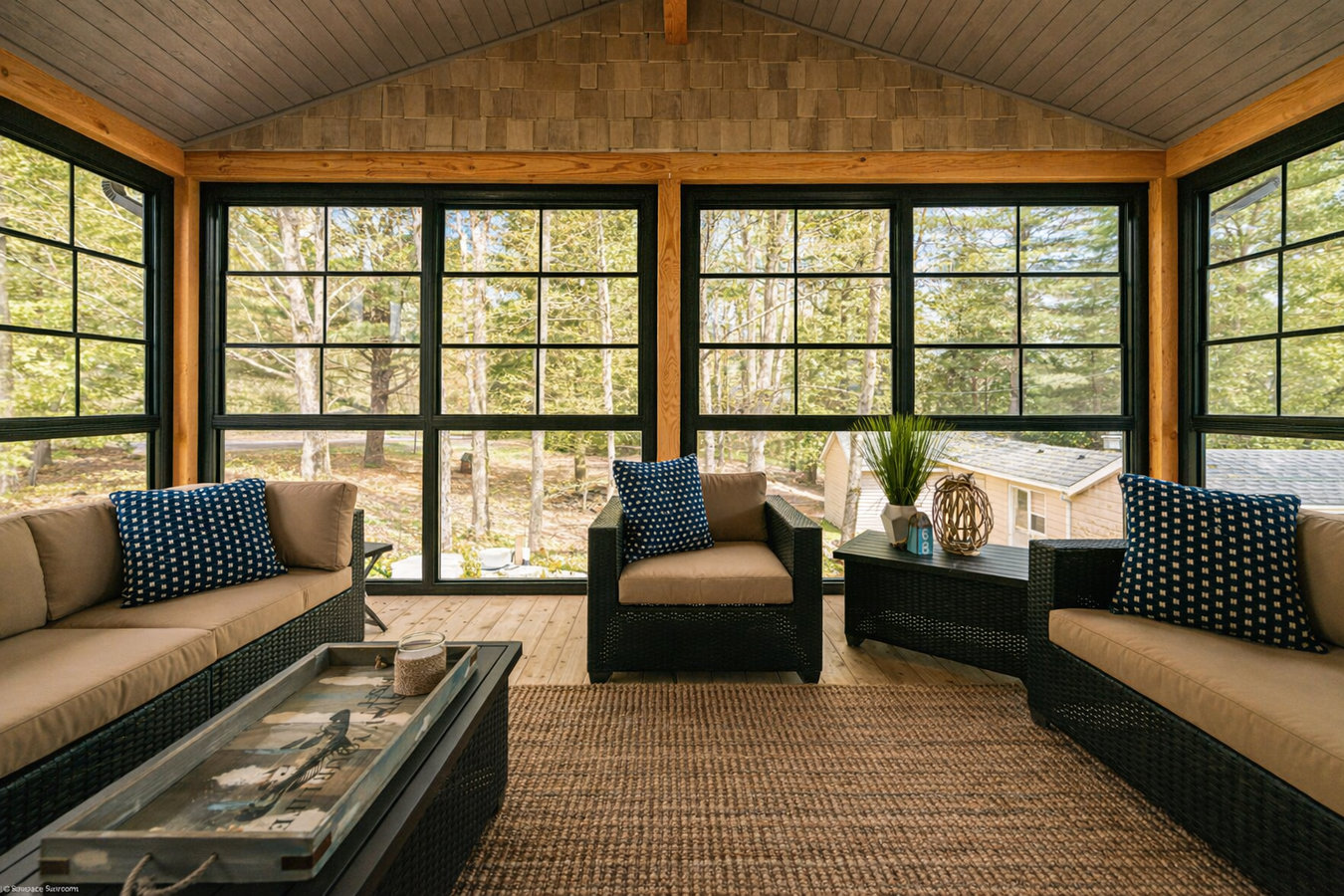
FirstBridge Glendale Sunrooms builds patio-to-sunroom conversions, screen rooms, and custom sunroom additions for Temple City homeowners. We work regularly in Temple City, know the city permit process, and understand the older ranch-style homes and modest lots that make up most of this neighborhood. We reply within one business day and provide written estimates at no charge.
Most Temple City homes were built between the 1940s and 1970s with a concrete patio slab already in place - converting that existing slab into a sunroom is usually the most cost-effective way to add usable indoor space. We design each patio-to-sunroom conversion around the existing footprint so you gain a fully enclosed room without breaking new concrete or expanding your foundation.
Temple City's spring and fall evenings are excellent for outdoor living, but insects are a real issue in yards backed by other properties on all sides. A screen room keeps the backyard air moving while blocking bugs, and the lightweight structure works well on the modest-sized lots that are typical throughout Temple City.
Temple City properties typically have compact backyards, and an enclosed patio room makes the most of every square foot by creating a usable indoor-outdoor space for work, family, or entertaining. These rooms do not require the same structural footprint as a full addition, which makes them a practical fit for lots under 7,500 square feet.
Temple City homeowners carry significant equity in their properties, with median values regularly exceeding $800,000. A custom sunroom designed to match the existing home's style adds living area and resale appeal - two things that matter in a market where buyers look closely at usable square footage.
Older Temple City homes have sometimes had enclosed patios or additions built decades ago without modern insulation or weatherproofing. Remodeling an existing structure costs less than starting from scratch and can bring the room up to current standards for energy efficiency and building code compliance.
Temple City's climate is warm most of the year, but winter nights can drop into the 40s and summer afternoons push into the 90s. A fully insulated four season room with climate control stays comfortable in both extremes - making it a room your family will actually use every month of the year, not just in mild weather.
The majority of Temple City's housing stock was built between the 1940s and 1970s, putting most homes at 50 to 80 years old. Homes at that age have often had multiple owners and a mixed history of improvements - some done with permits and some without. Before adding a sunroom or enclosing a patio, a contractor needs to assess the existing structure: whether the foundation can carry the new load, whether the electrical panel has enough capacity, and whether the existing patio slab is level and sound enough to build on. A contractor unfamiliar with older properties may skip this assessment and create problems that show up only after construction is done.
Temple City lots are modest, typically ranging from 5,000 to 7,500 square feet, and the clay-heavy soils beneath most San Gabriel Valley properties shift with moisture throughout the year. Wet winters cause the soil to expand, dry summers cause it to contract, and that movement puts repeated stress on concrete slabs and foundations. Homes built in the postwar era may show concrete cracking or patio settling as a result. A contractor working in Temple City needs to account for soil conditions during foundation design and specify the right footings and control joints - not just pour a slab and hope for the best.
Our crew works throughout Temple City regularly and understands the local conditions that affect sunroom and enclosure work here. Most of the homes we work on in Temple City are single-story ranch houses with attached garages and original concrete patios - the classic postwar footprint that fills out most of the city's residential streets. These homes have a lot to offer, and a well-designed sunroom or enclosure fits naturally into the existing layout.
Temple City sits in the central San Gabriel Valley, with Rosemead Boulevard and Las Tunas Drive as the two main corridors most residents know well. Live Oak Park is the city's center of gravity for community life, hosting the annual Camellia Festival grounds and sports fields that draw families from all over town. The Temple City Community Development Department handles permitting for all room additions, and we are familiar with the local submittal requirements and turnaround times.
We also serve homeowners in nearby Arcadia to the north, where larger lots and a different housing mix create different project profiles. If you live near the border between the two cities, call us and we can confirm we serve your address.
Contact us by phone or through the estimate form and tell us what you have in mind. We reply within one business day and schedule a free on-site visit at a time that works for you.
We visit your property to measure, check the existing slab or foundation, and review setback requirements specific to your lot. You receive a written estimate that includes materials, labor, permit fees, and a realistic timeline - no surprise costs added after you sign.
We submit permit applications and plans to the Temple City Community Development Department on your behalf and schedule construction to start once approvals are in hand. You do not need to coordinate with the city - we handle all permit communication.
We schedule all required city inspections and walk you through the finished room before closing out. You receive copies of the closed permit for your records, which is important for insurance and resale.
We serve Temple City homeowners with free written estimates and permit-ready plans. Call us or submit your project details and we will follow up within one business day.
(747) 609-3881Temple City is a small, quiet residential city of about 36,000 people in the heart of the San Gabriel Valley, east of Arcadia and north of El Monte. The city is almost entirely made up of single-family homes on tree-lined streets, with a notably high rate of owner-occupancy. Most residents have lived in Temple City for many years, and the city has a genuine neighborhood feel that is less common in larger San Gabriel Valley cities. The annual Camellia Festival, held at Live Oak Park every February, is one of the longest-running community events in the region.
The housing stock reflects the city's postwar origins - the majority of homes were built between the late 1940s and the 1970s, giving Temple City a mostly single-story ranch-house character with stucco exteriors, concrete driveways, and attached garages. Many homes have been updated or expanded over the decades, but the underlying structure is still postwar-era construction. Neighboring San Gabriel to the west and Arcadia to the north share some of the same housing patterns, though each city has its own character and permit requirements.
Keep bugs out and fresh air in with a professionally installed screen room.
Learn MoreTurn your underused deck into a stunning enclosed sunroom space.
Learn MoreGlass solarium installations that flood your home with natural light.
Learn MoreCall FirstBridge Glendale Sunrooms today for a free written estimate - we serve Temple City homeowners year-round and know how to work with the older homes and compact lots that are common here.